

|
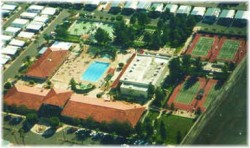
(Courts at Roadhaven Park)Private vs Resident-Owned ParksAn Important ConsiderationAs some wise person once said ... "There is no 'one best way' to ... anything". What may be best for someone is not best for someone else. And this is certainly true when it comes to the choice between the two ownership models in the parks. The differences in privately-owned parks and resident-owned parks can be compared to renting an apartment vs. buying the apartment (condo). The resident- owned parks are just that ... 'condo type' ownership of the park which includes your lot. One real advantage expressed by some owners in resident-owned parks is that they do not have to put up with poor park management. Of course there are some park managers/owners who are better than others but there can also be some condo boards that are better than others. The important thing is to make sure you understand the differences and then choose based on your own preferences. Those who are shopping for the first time are often reluctant to make the larger investment of buying into a resident-owned park so will tend to 'try out' the lifestyle by renting their lot in a private park and only risking the price of the park model. But once they settle on a park and become a part of the community they may tend to stay in that same park. Even if they regret (later) not buying into a resident-owned park it is now tough to move and start again. BudgetThe number one issue is budget. There is a considerable difference in the 'original' investment required to buy into a resident-owned park rather than renting a lot in a private park. (see: how much will it cost me section)
And you can feel comfort in knowing that any monthly fee increases are based on actual cost increases and less subject to inflationary market/supply forces. The 'Security' Advantages of Resident-OwnedThere are two 'primary' advantages of resident-owned parks. They both relate to the security that is important to many retirees.Security of Investment Many people strongly prefer owning their properties, whether it is their house or condo 'back home' or their winter residence. Buying your own lot and your share (in the park ownership) can be a good hedge against future potential inflation. At the time of retirement most seniors want the comfort of knowing what their costs 'are going to be'. Those living on primarily fixed incomes do not want to get hit by inflationary pressures in later years. Real estate prices in Arizona are back on the rise. This doesn't seem to have impacted the resident-owned park real estate prices but then when prices went down they were also not impacted that much. (retirees don't have huge mortgages) Over the long term, generally the property values in resident- owned parks has risen. And now with real estate prices back on the rise it should bode weil for at least maintaining values in these parks. Of course economic forces will affect all properties and all properties are subject to swings in the marketplace. Security in Participation As a shareholder in a resident-owned park you have both the right and the opportunity to participate in the decision-making process. While some people may prefer not to participate, there is comfort in knowing that you do have that right and (maybe most important) that those making the decisions are residents just like you. The decisions being made are intended to be in the best interests of the park residents. Budgets, facilities, rules, activities, and all operating procedures are managed by an elected board. While you may not like some of the decisions that are taken, at least you have an opportunity for input. There can be other risks associated with renting in a private park compared to investing in the owner parks. Although rare, it 'has happened' where a private owner decides to sell the property for some new major development. In that case all the park model owners have a problem. The cost to move to another park is one issue but also the age of the unit may even prevent that. A private park can also be sold to new owners who decide to change the rules, rents, or other things impacting the residents. But market forces are also at play and any owner is wise to provide good customer service if they want to be successful in the long haul. Weighing the Risk There are risks associated with either choice. If you don't plan/expect to spend more than a couple or three years in the park then maybe you don't want the added investment in the resident-owned park. Even in the worst case scenerio the modest cost of a park model is not a heavy loss to many. The larger investment in the condo arrangement means there is more to deal with should you no longer want or be able to spend those winters there. For some, they need to own whatever they can to feel comfortable. For others they want less 'ties'. It really comes down to personal choice. But try to make that choice before you jump in. |
|
||||||||||||||||||||||||||||||||||||||||||||
| HOME | ABOUT | SITE MAP | CONTACT | ||||||||||||||||||||||||||||||||||||||||||||||



 But there is also a budget advantage. As you are not paying (often annually increased) rent your annual operating costs are much lower. You will be assessed a form of 'condo fee' but that is less than you would pay when renting your unit lot in a private park.

